
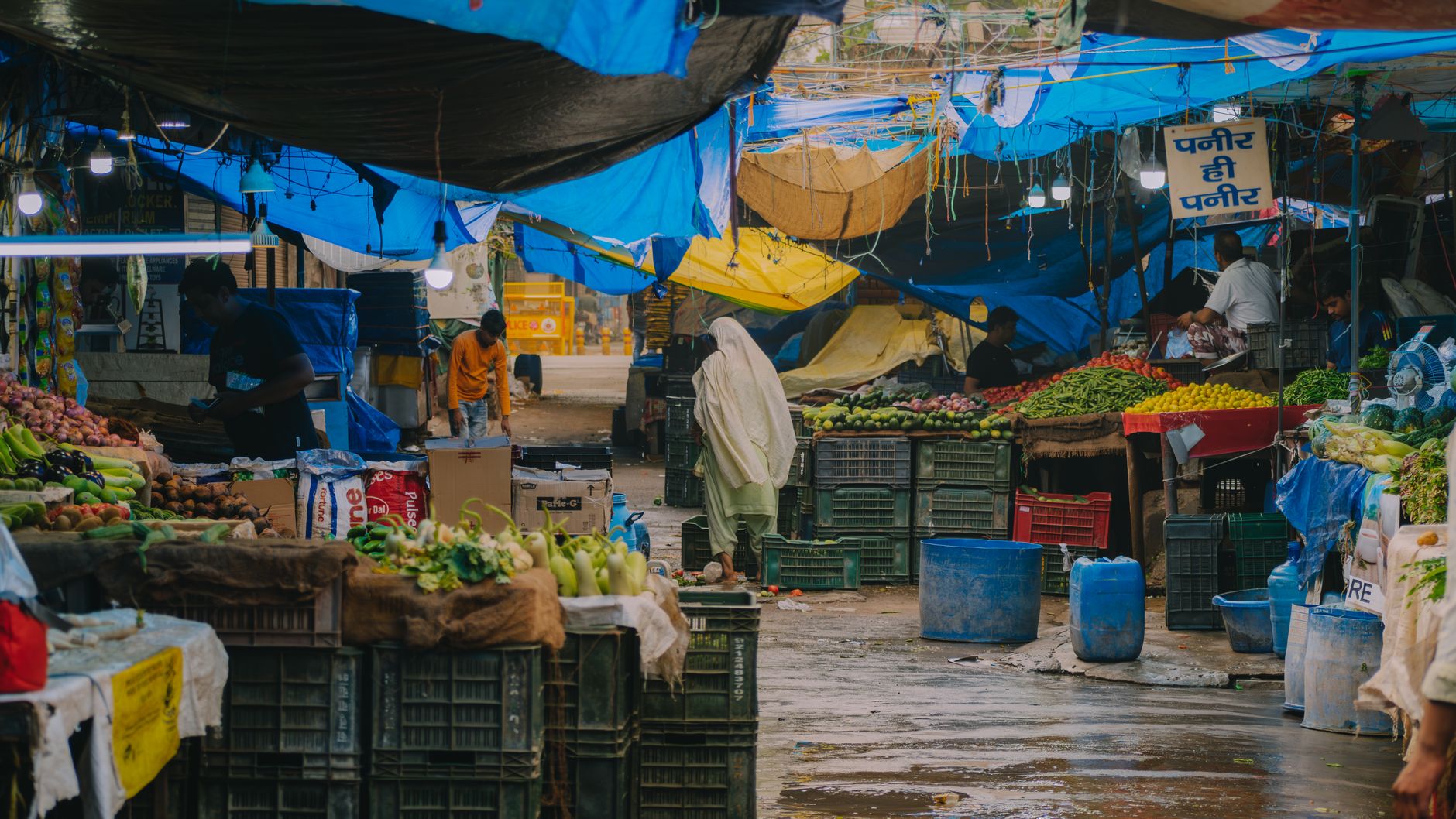
Food is the cost most workers can actually control. Rent is fixed, the ticket is fixed, the money you send home should not shrink — but the difference between eating from the shop downstairs and cooking with three roommates can be a large part of a monthly wage. Here is how people who have been here ten years do it.
Buy where the workers buy
- Wholesale and central markets in every Gulf city sell rice, flour, lentils, onions, potatoes and oil in sacks at a fraction of small-shop prices. Go with two or three roommates and split a sack.
- Hypermarket promotion days and the weekly leaflet are worth planning around. Staples are sold near cost to bring people in.
- Fish and vegetable markets late in the day discount heavily before closing.
- South Asian grocery streets — in every big Gulf city there is a district where Indian, Pakistani, Bangladeshi, Nepali and Sri Lankan shops compete with each other. Prices there beat the supermarket for spices, dried fish, atta, dal and tea.
- The baqala downstairs is the most expensive food in your life. Use it for emergencies, not for weekly shopping.
Cook as a group
Four men cooking separately buy four small packets and waste gas and time. A simple rota — one person cooks each night, everyone pays into a common food fund weekly, one person keeps the notebook — usually cuts food costs sharply and improves what everyone eats. Agree the rules at the start: how much per person, who buys, what happens when someone travels. Keep the notebook honest and visible; money arguments break more rooms than cooking does.
Eat for the work you do
- Outdoor and heavy work: you need salt and fluids, not just rice. Curd, buttermilk, lemon water with a pinch of salt and sugar, and oral rehydration salts from any pharmacy prevent the collapses that fill Gulf emergency rooms every summer.
- Protein cheaply: eggs, chicken leg quarters in bulk, dal, chana, soya chunks and frozen fish are the cheapest ways to keep muscle on long shifts.
- Night shift: eat your main meal before the shift, not at 4am. Heavy food at the end of a shift is the fastest route to weight gain and diabetes, which is already very common in our communities.
- Diabetes and blood pressure are the two illnesses that end Gulf careers early. Less sugar in tea, less oil, more vegetables — small, boring changes that keep you working.
Halal, fasting and shared kitchens
Meat sold in Gulf supermarkets is halal by law, but imported processed foods are not automatically halal — read the label or look for the certification mark. In shared rooms with Hindu, Muslim, Buddhist and Christian roommates, agree early on separate pans and shelves for beef, pork and vegetarian cooking. It costs nothing and prevents the most common fight in labour accommodation.
During Ramadan, many mosques, companies and charities distribute free iftar meals in labour areas, and volunteer groups distribute food parcels through the year. There is no shame in taking one; they exist for exactly this reason.
Cooking safely
Illegal gas cylinders, overloaded extension boards and cooking in sleeping rooms cause fires that kill workers in the Gulf every year. Use the kitchen, check the gas hose, never leave a flame unattended, keep the corridor clear and know where the exit is. If your accommodation has no safe kitchen, that is a condition your employer is legally responsible for.
What is the cheapest market in your city, and what does a week of groceries cost you? Post it in the comments — prices differ enormously between cities and this is exactly the information newcomers cannot find anywhere else.
From Gulf Desi Hub
Hiring workers from India, Pakistan, Bangladesh, Nepal or Sri Lanka?
Post your vacancy here for free. We check the company before a listing goes live, and no worker is ever asked to pay to apply.
Post a Job — Free
Leave a Reply