
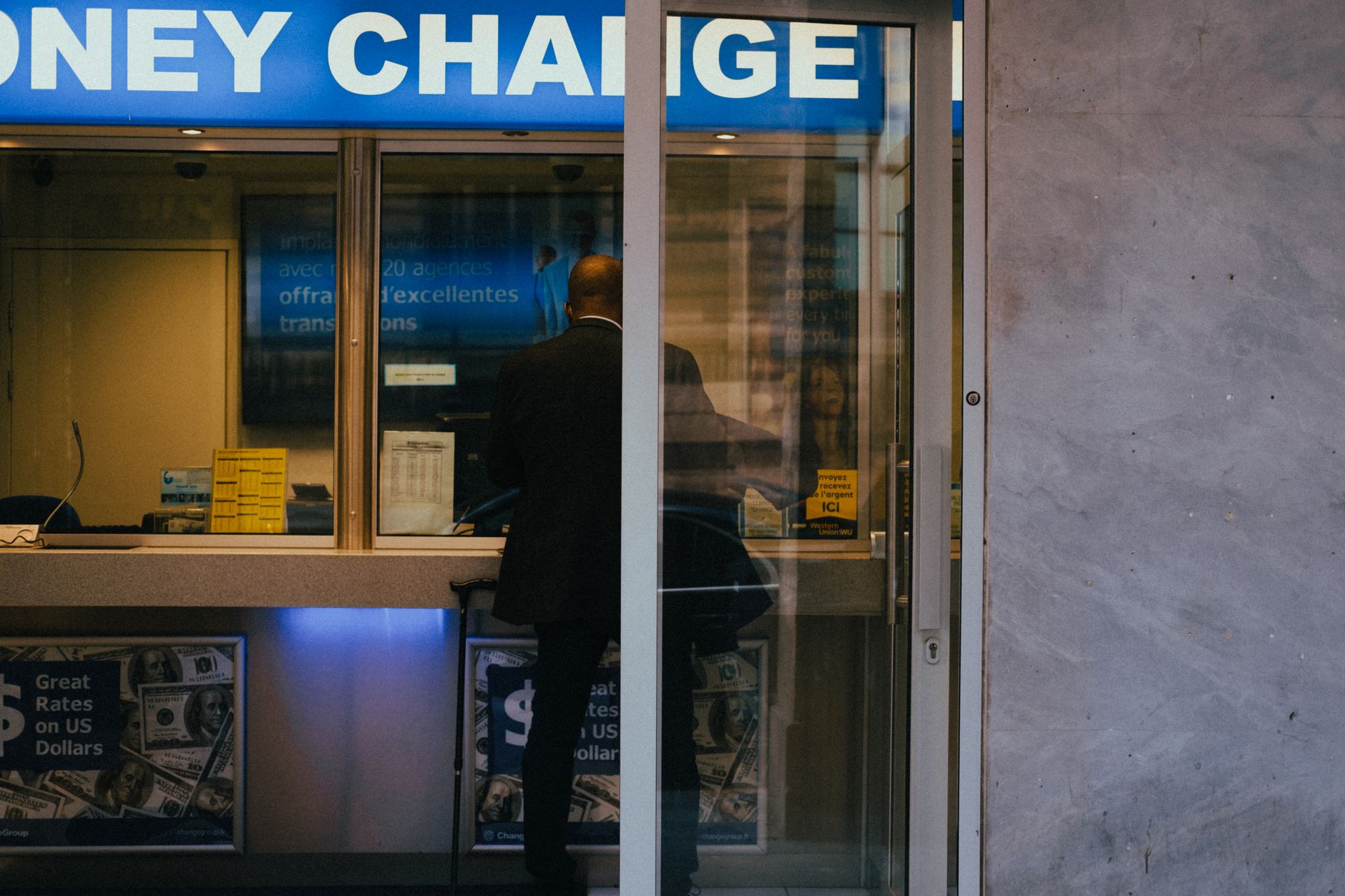
If you send money home every month, small differences add up fast. Losing even a little on the rate and the fee each month means a full month’s remittance lost over a working life. You cannot control the market, but you can control four things: the rate you accept, the fee you pay, the day you send, and how often you send.
1. Compare the rate, not the fee
Most people compare the fee because it is printed in big letters. The bigger loss is usually hidden in the exchange rate. Ask one question at every counter or app: “How many rupees / taka / Nepali rupees will actually arrive if I send this amount today?” That single number — the amount received, not the rate or the fee — is the only fair comparison. Write it down for two or three providers before you send.
2. Use licensed exchange houses and apps only
Licensed exchange houses and bank transfer services are regulated by the central bank of the country you work in, and every transfer gives you a receipt and a tracking number. Unlicensed transfer — money handed to a man in the labour camp who promises delivery at home — is illegal in every Gulf country and in every South Asian country. When it goes wrong, and it does, there is nobody to complain to, the money is gone, and the sender can also be punished. A slightly better rate is never worth that risk.
3. Send less often, in bigger amounts
Fixed fees hurt small transfers most. If you send four small amounts a month, you pay the fee four times. Sending once or twice a month, planned with your family, usually costs less — as long as your family at home has enough for the days in between. Agree a simple schedule with them so nobody panics.
4. Watch the day, not the hour
Rates move a little every day. Nobody can predict them, and anyone promising they can is selling you something. But you can check the received amount on two or three days before a non-urgent transfer, and send on the better day. Many apps let you set an alert when the rate reaches a level you choose.
5. Know the cheap and free options that already exist
- App rates are often better than counter rates at the same company, because the branch costs money to run.
- First-transfer and salary-account offers can waive fees. Ask; they are rarely advertised at the counter.
- Direct-to-bank-account usually beats cash pickup on both fee and safety.
- Local instant payment systems at home — UPI in India, and the bank-to-wallet systems in Pakistan, Bangladesh, Nepal and Sri Lanka — often make the last step free once the money lands in a bank account.
6. Protect yourself from remittance fraud
- Never share your transfer reference number, one-time code or receipt photo with anyone who contacts you claiming to be from the company.
- Never let another person use your name or ID to send money. If it is criminal money, it becomes your case.
- Keep the receipt until your family confirms the money arrived.
- If a transfer is delayed, complain to the exchange house first with your reference number; regulated companies must respond, and the central bank of the Gulf country handles complaints if they do not.
Before you send, three family questions
Where is the money going this month: food, school fees, loan repayment, or the house? Who at home is keeping the record? What is left for you if you get sick or lose the job? Workers who write these three answers down each month send home more over five years than workers who send whatever is left in the account.
Going home permanently? Move your savings in planned transfers before your last week, never as cash in a suitcase — our final exit checklist explains why, and what else to close before you fly.
This is general consumer information, not financial advice, and we do not recommend or receive payment from any company. Fees, rates and rules change — always check the amount your family will actually receive before you send. Share the best received-amount you found this month in the comments so others can compare.
From Gulf Desi Hub
Hiring workers from India, Pakistan, Bangladesh, Nepal or Sri Lanka?
Post your vacancy here for free. We check the company before a listing goes live, and no worker is ever asked to pay to apply.
Post a Job — Free
Leave a Reply