
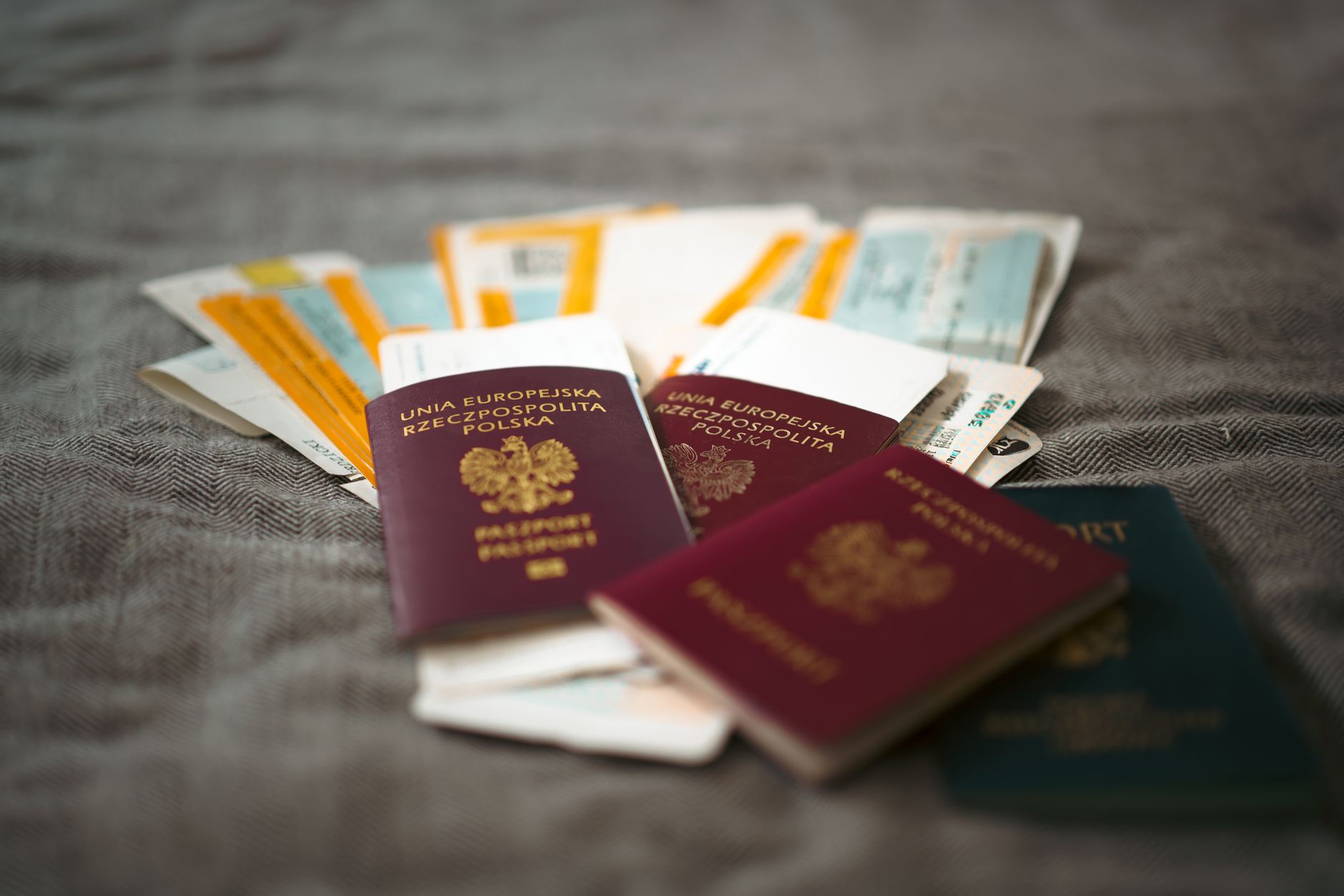
You landed at the airport, someone from the company met you, and the first thing they said was: “Give me your passport, we need it for the visa.” Months later you still do not have it back. If this is your situation, you are not alone, and you are not powerless. Across the Gulf, holding a worker’s passport against their will is against the law.
This guide explains what the law says in each country, what a legitimate short-term handover looks like, and how to get your passport back without losing your job.
Your passport is not your employer’s property
A passport belongs to the government that issued it and is held by you, the person named in it. Your employer is not a party to that document. This is why every Gulf state has moved to prohibit employers from keeping it:
- Saudi Arabia — the Labour Law forbids an employer from retaining the worker’s passport, iqama or medical file. The Ministry of Human Resources and Social Development (hrsd.gov.sa) handles complaints, and Qiwa (qiwa.sa) is where your contract and employment record sit.
- Qatar — Law No. 21 of 2015, in force since December 2016, made passport confiscation an offence with a financial penalty on the employer. Complaints go to the Ministry of Labour (adlsa.gov.qa).
- United Arab Emirates — an employer may not keep your passport without your consent, and you do not need their permission to travel. Complaints go to MOHRE (mohre.gov.ae).
- Kuwait — Ministerial Resolution 143/A/2010 explicitly bans employers from confiscating or holding a worker’s passport. The Public Authority of Manpower (manpower.gov.kw) is the authority.
- Bahrain — the Court of Cassation ruled in 2012 that a passport is personal property and cannot be held except by a legal authority. The LMRA (lmra.gov.bh) regulates work permits.
- Oman — companies are barred from holding the passports of expatriate staff. The Royal Oman Police (rop.gov.om) handles residency matters.
Penalties and complaint procedures change from time to time. Do not rely on what a friend told you in the labour camp — check the official portal for your country from the list above, or ask at the ministry’s service centre.
When handing it over is normal
There is one honest reason a company asks for your passport: a government process that physically needs the book, such as visa stamping or residency card issuance. That handover should be short — days, not months — and the passport should come straight back to you.
Signs that it has stopped being administrative and started being control:
- Weeks pass and the answer is always “next week” or “it is with the PRO”.
- Your residency card was issued long ago but the passport is still in the safe.
- They tell you that you can only have it back if you resign, pay money, or finish the contract.
- They ask you to sign a paper saying you gave it “voluntarily” after they already took it.
- Other workers say nobody in the company has their passport.
Step 1: Ask in writing, politely
Most cases end here, and this step also builds your evidence. Send a short, respectful message to your manager or HR — a WhatsApp message or email is fine, as long as it is written and you keep it.
Something like: “Dear Sir, I need my original passport for personal document work. Kindly return it to me. I will bring it any time the company needs it for government procedures. Thank you.” No accusations, no mention of complaints or lawyers. Give them a few working days, then screenshot whatever reply you get. A refusal in writing is the single most useful piece of evidence you can have.
Step 2: Build your file before you escalate
Gather these now, and keep copies somewhere the company cannot reach — your own phone plus an email to yourself or a family member back home:
- Photos of your passport pages if you have them, or at least the number, issue and expiry dates.
- Your residency or ID card, front and back.
- Your signed employment contract.
- Salary slips or bank transfer records.
- The written request you sent and any answer.
- The names of colleagues in the same situation — a group complaint is taken more seriously than one person alone.
If you never photographed your passport, do it for every document you hold from now on. Our document checklist for before you fly to the Gulf explains what to copy and why.
Step 3: Report it to the labour authority
Every Gulf country has a labour ministry that accepts worker complaints, in most cases free of charge, through an app, a website, a call centre or a walk-in service centre. Start from the official domain for your country listed above, so you are not paying a middleman for something the government does for free.
Keep the complaint factual: the date you handed the passport over, the reason given, the date you asked for it back, and the reply. Attach your documents, and write down the reference number. The process is close to the one in our guide to filing a labour complaint over unpaid salary — same offices, same paperwork habits.
Step 4: Your embassy, and the police if needed
Your embassy or consulate has a labour or community welfare section for exactly this. They cannot order your employer to do anything, but they can issue a replacement or emergency travel document, contact the company, and in serious cases raise it with the host government. Report a withheld passport to them early rather than at the airport.
If the passport is still not returned after the labour authority has intervened, unlawful retention of your personal document can also be reported to the police. Ask the labour office or your embassy whether that is the right next step in your case before you go.
Protect yourself while this is going on
- Do not sign anything you cannot read. If a paper is in Arabic only, ask for a copy and get it translated before signing.
- Do not stop going to work. Absence gives the company a reason to file a case against you, and it puts your salary and your end of service money at risk — see what your gratuity is worth before you walk away from anything.
- Do not pay anyone to “release” your passport. That payment is not legal and you will not get it back.
- Keep your phone number active and your documents backed up.
The short version
Your passport is yours. A short handover for a real government procedure is normal; keeping it to stop you from leaving is not, and every Gulf country now says so in law. Ask in writing, keep copies of everything, and if that fails, the labour ministry and your embassy exist for this. Workers get their passports back this way every week — calmly, on paper, one stage at a time.
If an absconding report has been filed as well, the passport case and the absconding case have to be handled together, and quickly — here is what the first week looks like.
Has this happened to you or someone in your accommodation? Share what worked in the comments so the next person knows what to expect.
From Gulf Desi Hub
Hiring workers from India, Pakistan, Bangladesh, Nepal or Sri Lanka?
Post your vacancy here for free. We check the company before a listing goes live, and no worker is ever asked to pay to apply.
Post a Job — Free
Leave a Reply